
How to Understand FDA Medication Guides and Safety Warnings
Learn how to read and use FDA medication guides and safety warnings for safer, more informed medication use. Get helpful tips from SB Pharmacy’s local experts in East Harlem.
How to Understand FDA Medication Guides and Safety Warnings
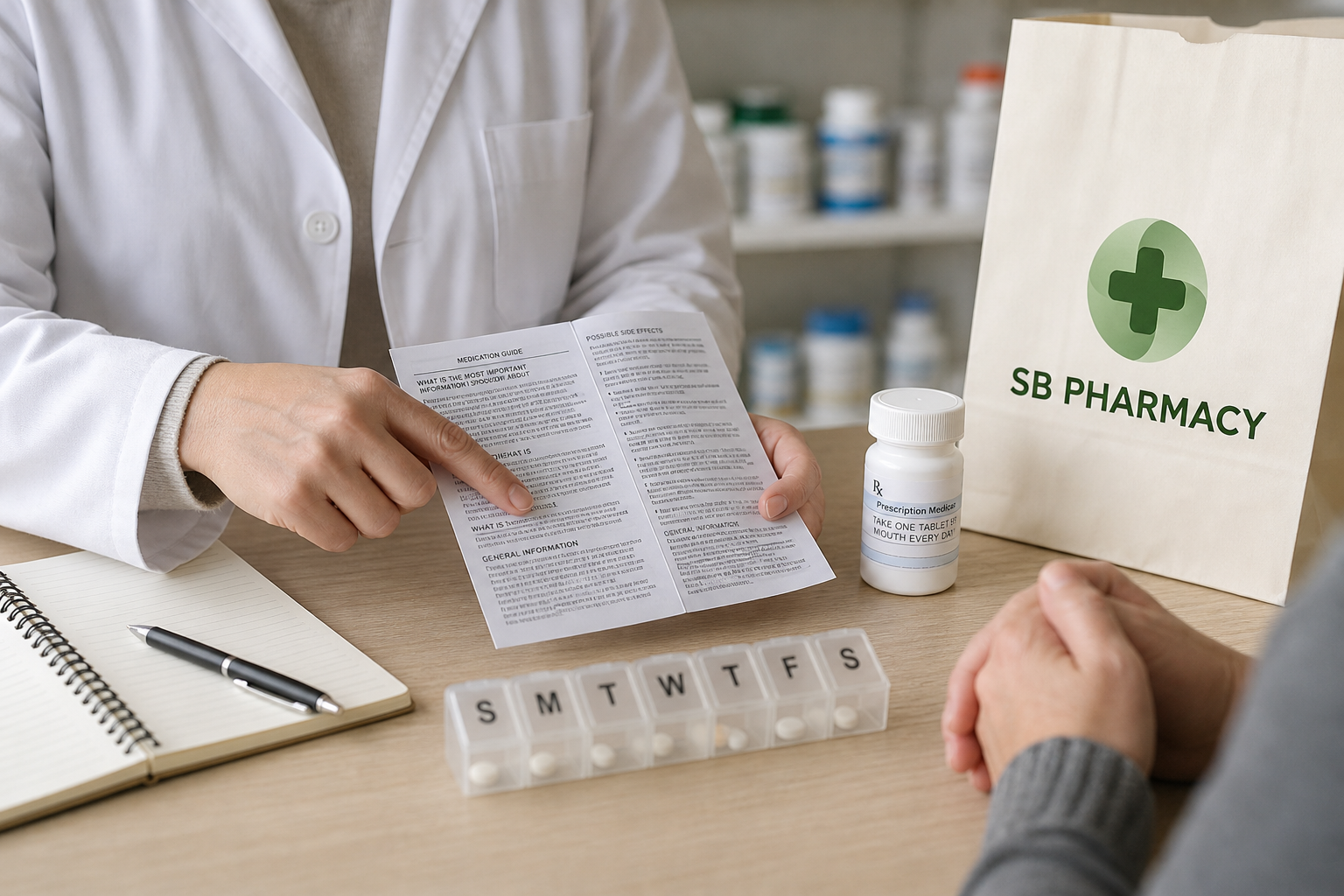
For many people in East Harlem and throughout New York City, prescription medications play a critical role in supporting everyday health. But every prescription comes with important information to help ensure safe use—and among the most crucial are FDA medication guides and safety warnings. As your neighborhood pharmacy, SB Pharmacy is committed to helping you understand, access, and use these guides to manage your medications more confidently.
What Are FDA Medication Guides?
The Basics
FDA medication guides are informational handouts that come with certain prescription medications. These guides are created to help patients use medications safely and are required for many drugs that have specific safety concerns.
- FDA stands for the U.S. Food and Drug Administration, which is responsible for protecting public health by ensuring the safety and effectiveness of medications.
- Medication guides are written in clear, everyday language and are meant for patients, not health professionals.
- Not every prescription medication comes with a medication guide—only those that require extra safety information under FDA regulations.
Why Medication Guides Matter
- Address important safety concerns about specific medications.
- Clearly explain side effects, potential risks, and special instructions.
- Help you make informed decisions about your care in partnership with your healthcare provider or pharmacist.
When and Why You Receive Medication Guides
Medication guides are given out:
- When you first fill a qualifying prescription
- When the directions change significantly
- Sometimes with each refill, especially for medications with new or evolving safety warnings
You might receive a medication guide if:
- A drug has serious risks that could affect your health
- There is important information about how to use the drug safely
- The FDA has determined that patients should understand certain details before use
Common examples include medications for mental health, sleep, pain management, and some antibiotics or blood thinners.
What Information Is Included in a Medication Guide?
While each guide is tailored to the specific medication, most contain:
1. What is the medication?
A short summary of what the medicine is used for and its active ingredients.
2. Important safety warnings
Highlighting serious side effects, when to avoid the medication, and warning signs to call your healthcare provider about.
3. Who should not take the medication?
Details about groups (such as pregnant people or children) who should avoid the medication or require extra guidance.
4. How to use the medication
Instructions on when, how, and how much to take, plus specific directions for missed doses.
5. Possible side effects and what to watch for
A list of common and serious side effects, with advice on what to do if they occur.
6. Interactions
Information on drugs, foods, or activities to avoid while on the medication.
7. Storage and handling
Recommendations on how to store the medicine, dispose of unused doses, and keep it away from children or pets.
8. Answers to common questions
Frequently asked questions and answers to help patients understand the medication better.
What Are Safety Warnings and Black Box Warnings?
Safety warnings are alerts included in medication guides and drug labels that inform users about serious risks, such as:
- Severe allergic reactions
- Life-threatening side effects
- Dangerous drug interactions
- Risks related to specific health conditions
Black Box Warnings
A “black box warning” is the FDA’s strictest warning for prescription drugs. It appears in a bold black border on the medication label and guide, signaling:
- There is a significant risk of severe or life-threatening side effects.
- The medication should be used only when its benefits outweigh the potential risks.
Not every medication comes with a black box warning, but when present, it signals that extra caution and close communication with your healthcare provider are important.
How to Read a Medication Guide: Tips for Patients
Medication guides can feel overwhelming—especially if you’re reading them for the first time. Here’s how to approach them:
- Take your time: Read through the guide slowly, preferably in a quiet place without distractions.
- Start with the warning section: Pay close attention to any bolded or highlighted warnings.
- Highlight or write notes: Mark questions or concerns to discuss with your pharmacist or provider.
- Check for updates: If your medication guide looks different from previous versions, ask your pharmacist about any changes.
- Don’t skip the fine print: While some sections might feel less relevant, they often contain valuable information about storage, disposal, or interactions.
Common Terms You’ll Find in Medication Guides
Understanding key terms in your medication guide helps you make sense of safety information:
- Adverse reaction: An unwanted or unexpected side effect from using a medication.
- Contraindication: A reason why the medication should not be used in certain situations.
- Precaution: Steps you should take to lower the risk of a problem while taking the medicine.
- Interaction: When a drug reacts with another substance, leading to an increased risk of side effects or reduced effectiveness.
- Generic: A non-brand version of a medication with the same active ingredient.
SB Pharmacy’s staff is always available to explain these terms and answer questions about your medication guides.
How SB Pharmacy Helps You Understand Medication Guides
Personal, Local Guidance
When you pick up a prescription at SB Pharmacy in East Harlem, our pharmacy team ensures you:
- Receive the appropriate medication guide when the FDA requires it
- Can ask questions about any confusing or concerning sections
- Get practical tips on medication safety, storage, and use
Helpful Communication
Your pharmacist at SB Pharmacy can go over the guide with you in-person or over the phone, making sure you:
- Understand main safety warnings
- Know what to watch for and when to contact your provider
- Feel confident in managing new medications
Community Connection
Being a local, community-focused pharmacy, SB Pharmacy makes it easier for you to return with additional questions—even after you’ve had time to read your medication guide at home. This personal connection is a key benefit of working with a trusted neighborhood pharmacy.
What to Do If You Have Questions About a Medication Guide
If you read something in a medication guide that you don’t fully understand, you’re not alone. Here’s what you can do:
- Call or visit SB Pharmacy: Our team can review your questions and explain the information simply and clearly.
- Make a list: Bring your notes or highlight sections you find confusing.
- Talk to your healthcare provider: Some questions may be specific to your health. When in doubt, your doctor or prescriber can offer insights tailored to your needs.
- Stay informed: If you notice changes in your guide or medication instructions, ask about any updates or new safety recommendations.
Special Concerns: Children, Older Adults, and Caregivers
Medication guides may include information relevant to certain groups:
- Children: Doses, risks, and side effects may differ for children.
- Older adults: Age-related changes can affect how your body processes medication.
- Caregivers: It’s essential to read and understand the guide if you help someone else organize or take their medicine.
SB Pharmacy welcomes caregivers and family members seeking clarification on behalf of their loved ones.
Tips for Keeping Medication Guides Handy
- Store your guides with your medications, prescription bottles, or weekly organizers.
- Keep digital versions (many are available online from the manufacturer or FDA) for quick reference.
- Bring your guides to doctor or pharmacy visits for review.
How to Access Medication Guides Online
If you lose a paper medication guide, you can usually find the current version:
- On the official FDA website
- Through the medication manufacturer’s website
- By contacting the pharmacy (SB Pharmacy can help you find the digital version if needed)
Staying Safe: Why Medication Guide Updates Matter
Medication guides are sometimes updated when:
- New side effects, risks, or warnings are discovered
- Approved uses change
- Recommendations for use or safety precautions are revised
Always review the most up-to-date information with each new prescription or refill. Your pharmacist can alert you to key changes and clarify what’s new.
Questions to Ask Your Pharmacist About Medication Guides
- What are the most important warnings in this guide?
- Are there special precautions I should take?
- How should I store and dispose of this medication?
- What should I do if I miss a dose?
- Are there new updates since my last prescription?
- Does this medication interact with anything else I’m taking?
Feel free to ask as many questions as you need. Your pharmacy team is here to support you.
Conclusion: Informed Medication Use Starts with Understanding
Reading and understanding FDA medication guides and safety warnings is an important step for anyone taking prescription medications. By staying informed, asking questions, and working closely with a trusted local pharmacy like SB Pharmacy, you can help support your health and safety with every prescription.
Have questions about your medication guides, side effects, or prescription instructions? Visit SB Pharmacy at 27-29 E 124th St in East Harlem, find more information at sbpharmacynyc.com, or call 📞 (212) 534-2849 to speak with our friendly pharmacy team.
Disclaimer: This article is intended for general educational purposes and is not a substitute for individualized medical advice. Speak with a pharmacist, physician, or other qualified healthcare professional about your specific medications and health needs.