
Questions to Ask Your Pharmacist About Over-the-Counter Products
Discover the essential questions to ask your pharmacist before choosing over-the-counter products for safer, more effective results — especially at your local East Harlem pharmacy.
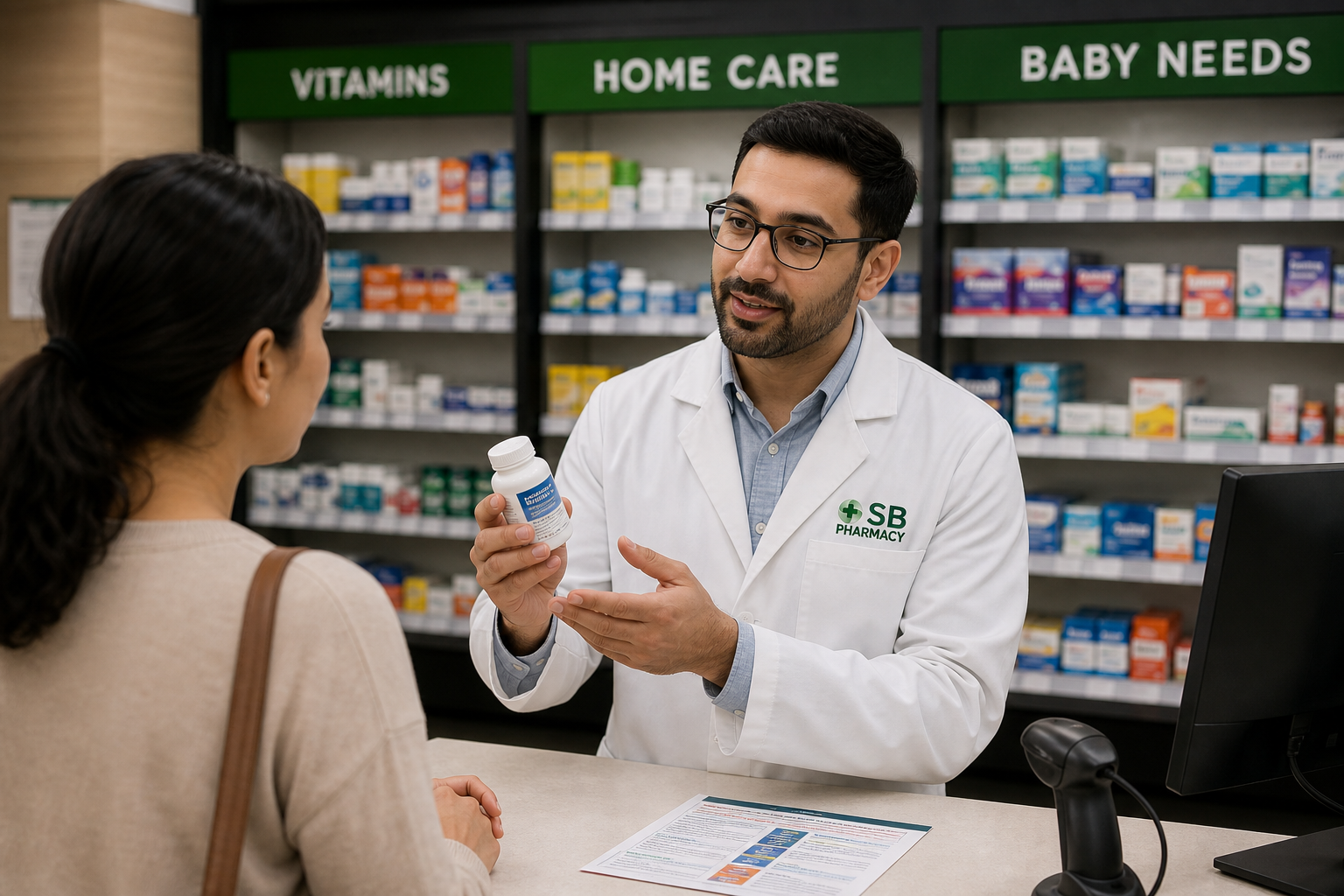
Questions to Ask Your Pharmacist About Over-the-Counter Products
Navigating the world of over-the-counter (OTC) products can feel overwhelming with so many choices on pharmacy shelves. From pain relievers and cold remedies to vitamins and skincare essentials, selecting the right option requires more than just picking a familiar brand or following online trends. A pharmacist is an accessible, knowledgeable healthcare professional who can help you make informed decisions about which OTC products are right for you and your family. As a trusted neighborhood resource, SB Pharmacy in East Harlem welcomes your questions and is committed to making your pharmacy experience comfortable, respectful, and safe.
Why Consult Your Pharmacist About OTC Products?
Many people think of pharmacists mainly as the professionals behind prescription medications. However, pharmacists at community-focused locations like SB Pharmacy are also experts in non-prescription (OTC) health products. Consulting your pharmacist can help you:
- Avoid unnecessary risks or drug interactions
- Select products tailored to your individual needs
- Understand proper use and dosing
- Save money by choosing effective options
- Promote overall wellness and preventive care
Your local pharmacist can offer guidance based on current health recommendations, your specific situation, and your personal health goals.
Understanding Over-the-Counter (OTC) Products
OTC products are medications, supplements, or personal care items that you can purchase without a prescription. These include:
- Pain and fever reducers (such as acetaminophen or ibuprofen)
- Cough and cold preparations
- Allergy medications
- Heartburn relief products
- First aid items (like bandages or ointments)
- Vitamins and dietary supplements
- Skin care treatments
- Eye and ear care solutions
- Digestive aids (such as antacids or probiotics)
While these items are easily found at pharmacies like SB Pharmacy, using them safely and effectively is not always straightforward.
Essential Questions to Ask Your Pharmacist
Knowing which questions to ask can empower you to make safer, more confident choices. Here are important topics to discuss with your pharmacist before purchasing or using an OTC product:
1. Is This the Right Product for My Symptoms or Needs?
OTC products often serve different purposes, even when packages look similar. Your pharmacist can help you decide if:
- The product addresses your actual symptoms or need
- A different treatment might be more effective
- A medical evaluation is recommended
Sample questions:
- What options are available for my symptoms?
- Is there a product you recommend for my situation?
- When should I contact my doctor instead?
2. How Should I Use This Product?
Improper use of OTC medications or products may reduce their effectiveness or cause unwanted effects. Always ask:
- The correct dosage and timing
- How to apply, swallow, or use the product
- How long it should be used
Sample questions:
- How much should I take, and how often?
- Should I take this with food or water?
- Is there a special application method?
3. What Side Effects Should I Watch For?
All medications—prescription or OTC—can have side effects. It’s best to know in advance what to expect and when to seek help.
- Ask about common and serious side effects
- Learn how to respond to concerning symptoms
Sample questions:
- What are the most common side effects?
- What should I do if I notice a reaction?
- When should I stop using the product and call my doctor?
4. Will This Interact With My Other Medications or Supplements?
Some OTC products may interact with prescription medications, other OTC items, or dietary supplements. This can increase side effects or lower effectiveness.
Sample questions:
- Is it safe to use this with my current medications?
- Should I avoid any foods, drinks, or activities?
- Will this product affect my supplements or vitamins?
Tip: Bring a list of your current medications and health conditions when speaking with the pharmacy staff at SB Pharmacy.
5. Are There Any Health Conditions That Make This Product Unsafe for Me?
Certain OTC products may not be recommended for people with specific health conditions, such as high blood pressure, heart disease, liver or kidney problems, pregnancy, or breastfeeding.
Sample questions:
- Is this product safe for my specific health conditions?
- Should I discuss this with my prescriber first?
6. How Can I Store This Product Safely?
Storage conditions can affect the effectiveness and safety of OTC items. This is especially true in New York City apartments, where space and climate can vary.
Sample questions:
- How should I store this product at home?
- Is it safe to keep this in the bathroom or kitchen?
- What should I do with unused or expired products?
7. What Are the Active Ingredients, and What Do They Do?
Understanding the active ingredients helps prevent unintentional duplication (such as using two products with the same drug), which can increase the risk of side effects.
Sample questions:
- What is the active ingredient in this product?
- Is this similar to any medication I am already taking?
- Are there any ingredients I should avoid?
8. Are There More Affordable or Generic Options?
Pharmacists can advise on trusted brand-name and generic options. Many generics contain the same active ingredient and are more affordable.
Sample questions:
- Is there a lower-cost alternative that works just as well?
- Are generic versions available?
9. Can This Product Be Used for Children or Older Adults?
Many OTC products have age restrictions or require dosing adjustments for children or seniors. The pharmacist can guide families and caregivers to safe choices.
Sample questions:
- Is this product safe for children, older adults, or pregnant individuals?
- Are dosing instructions different for different ages?
10. How Long Should I Use This Product?
Not all OTC items are meant for long-term use. Overuse can sometimes mask symptoms of a more serious problem or lead to complications.
Sample questions:
- How long is it safe to use this product?
- What should I do if my symptoms persist?
Why Your Local Pharmacy Makes a Difference
At SB Pharmacy, providing clear information and accessible, personal service is a central part of supporting the East Harlem community. Speaking directly with pharmacists who understand your neighborhood and value your privacy can help you feel more comfortable asking questions and making choices about OTC products for yourself and your loved ones.
Some additional benefits of consulting your local pharmacy team include:
- Personalized recommendations based on your history
- Support for caregivers managing multiple products for family members
- Help with reading and understanding product labels
- Guidance on store inventory and current availability
- Suggestions for safe and effective home wellness supplies
Tips for Preparing Your Questions
When planning to speak with your pharmacist about OTC products, consider these steps:
- Make a list of your current medications and supplements.
- Write down your symptoms or health goals before your visit.
- Bring the product or packaging if you have questions about something you already purchased.
- Take note of allergies or previous reactions to medications.
- Be honest about any changes in your health or new diagnoses.
Your pharmacist is ready to listen and answer questions with respect and professionalism.
Common Myths About Over-the-Counter Products
Unfortunately, some myths about OTC medicines and products can cause confusion. Here are a few common misunderstandings:
- "If it’s OTC, it must be completely safe for everyone." Some products are not recommended for certain ages or conditions.
- "Natural" means no risk. Herbal and natural supplements can cause side effects or interact with other medications.
- "More is better." Never take more than the recommended dosage.
- "Similar products can be used together." Some products contain the same active ingredients, which can be dangerous if combined.
Your pharmacist can help you separate fact from fiction.
When to Seek Medical Advice or Emergency Care
Over-the-counter items can be useful for many everyday wellness needs, but sometimes professional medical care is required. Contact your physician or seek emergency help if you experience:
- Severe or worsening symptoms
- Allergic reactions such as difficulty breathing, swelling, or rash
- Side effects that do not resolve or are serious
- No improvement after using an OTC product as directed
Pharmacists at SB Pharmacy can advise when it’s time to consult a healthcare provider for further evaluation.
Supporting Community Wellness at SB Pharmacy
East Harlem residents rely on SB Pharmacy as a neighborhood pharmacy for a range of wellness products, prescription support, and professional advice. Whether you have a quick question about a vitamin supplement, need help selecting cough medicine, or want tips for caring for a loved one, the SB Pharmacy team provides local service with a personal touch.
You can learn more about current offerings and services at sbpharmacynyc.com.
Conclusion: Speak Up for Your Health and Wellness
Choosing and using over-the-counter products wisely is an important part of staying healthy. No question is too small or too simple—your pharmacist is there to help. SB Pharmacy is dedicated to making the pharmacy experience accessible, professional, and comfortable for every member of the East Harlem community.
Prescription, medication, and everyday wellness needs involve many individual factors, including medication instructions, personal health circumstances, and product options. For clear information, trusted guidance, and a supportive local experience, reach out to SB Pharmacy. Visit sbpharmacynyc.com or call 📞 (212) 534-2849.
This article is intended for general educational purposes and is not a substitute for individualized medical advice. Speak with a pharmacist, physician, or other qualified healthcare professional about your specific medications and health needs.