
How to Organize Your Home Medicine Cabinet Safely
Discover practical steps for organizing your home medicine cabinet safely, protecting your family, and making everyday wellness products easier to find and use responsibly.
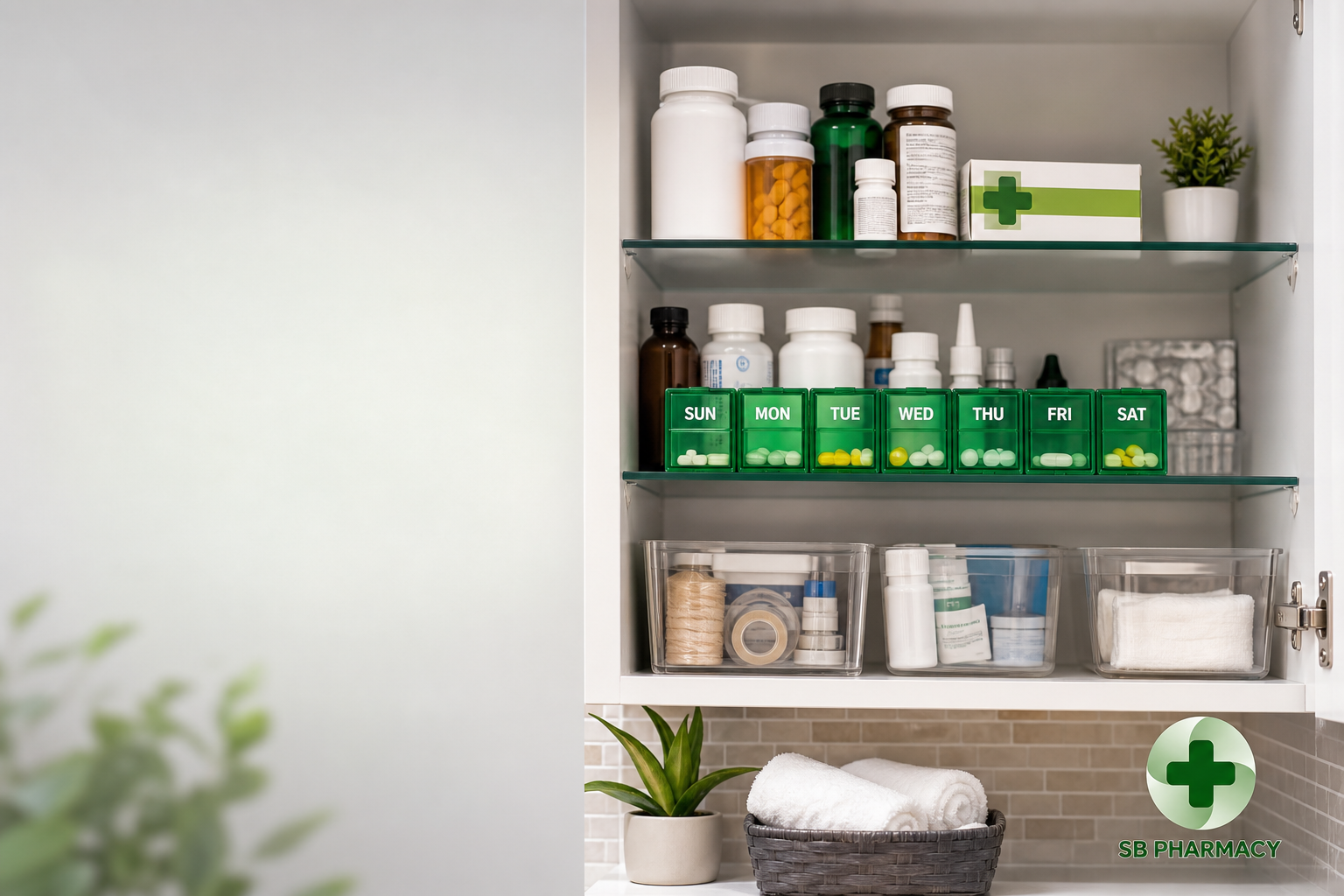
How to Organize Your Home Medicine Cabinet Safely
Keeping your home medicine cabinet organized isn’t just about tidiness—it plays a crucial role in keeping your family safe, making medications easy to find, and supporting better health habits. Whether you’re managing prescriptions, occasional over-the-counter needs, or family care essentials, knowing how to properly store and organize medicines helps prevent mistakes, double dosing, or accidental misuse. At SB Pharmacy, we encourage our East Harlem neighbors to take an active approach in organizing their medicine cabinets and to ask our pharmacy team any questions they may have about storage, disposal, or medication organization.
Why Safe Organization Matters
A well-organized medicine cabinet supports many important goals:
- Reduces the risk of accidental ingestion, especially by children or pets
- Helps prevent taking expired or duplicate medications
- Makes it easier to find what you need when you need it
- Supports timely refill planning and responsible medication use
- Protects medications from damage or reduced effectiveness
Taking time to arrange and regularly review your medicine cabinet can help your household handle minor health needs more confidently, plan prescription refills, and avoid unnecessary confusion or misplaced items.
Step 1: Choose the Right Storage Location
Many households use the bathroom cabinet as the go-to spot, but this may not always be the safest location. Humidity and temperature changes in bathrooms can shorten the lifespan of some medications. Instead, consider these safe-storage principles:
- Store medicines in a cool, dry place (such as a bedroom closet or a designated kitchen cabinet away from stoves and sinks).
- Select a location that is high enough or secured to prevent access by children or pets.
- Avoid areas exposed to direct sunlight or frequent temperature changes.
If someone in your home requires quick access (such as for emergency medications), keep these special cases in a readily-accessible but still child-safe location, and let responsible members of the household know where to find them.
Step 2: Gather and Sort All Medications
Pull every medication, supplement, and over-the-counter product from your existing cabinet or storage areas. Place them on a clean countertop or table to assess what you have. Sorting can help you:
- Identify duplicates or expired medicines
- Group similar products together (pain relievers, allergy, first-aid supplies, vitamins, children’s medications, etc.)
- Find medications that have unclear labels or missing instructions
Recommended Sorting Categories
- Prescription medications currently in use
- Medications used as needed (such as allergy or pain relief)
- Over-the-counter products (cough, cold, digestive remedies, topical creams, etc.)
- Vitamins and supplements
- First-aid supplies and personal-care items
SB Pharmacy often sees families benefit when everyone knows which products are intended for regular use, occasional use, or emergency use. Having organization by category makes future access much easier.
Step 3: Check Expiration Dates and Remove Unneeded Items
Before returning anything to storage, check each label for the expiration date and remove any items that are out-of-date or have unclear or missing labels. Here’s why this step is vital:
- Solutions, tablets, ointments, and supplements can all lose effectiveness or become unsafe after their expiration dates.
- Damaged or unlabeled containers can create confusion or risk—especially in urgent situations.
Safely Disposing of Expired or Unnecessary Medications
- Do not flush most medications down the toilet unless the instructions specifically say it’s safe.
- Check for local medication disposal options. Many pharmacies, including SB Pharmacy, can offer guidance on safe disposal.
- If local drop-off is unavailable, mix medication with coffee grounds or cat litter in a sealed bag before discarding—in a way that prevents easy retrieval.
Feel free to ask the SB Pharmacy team if you’re unsure about proper disposal for a particular medication.
Step 4: Clean Your Storage Area
Before organizing your medications, take a few minutes to thoroughly clean the cabinet or drawer. Wash removable shelves or drawers with warm, soapy water, and dry completely before restocking.
- Remove leftover packaging, dust, and debris
- Allow the storage area to dry to prevent moisture buildup
- Wipe down high-touch handles or door surfaces
A tidy, clean medicine cabinet not only looks neater—it helps prevent cross-contamination and makes it easier to keep track of what you have.
Step 5: Restock and Arrange Medications Thoughtfully
When returning items to your cabinet, use a logical arrangement to make everyday use smooth and stress-free:
Tips for Organizing Your Home Medicine Cabinet
- Group medications by use or category. For example: daily meds on one shelf; first-aid items in a separate bin.
- Place current prescriptions and regularly-used products at eye level.
- Store less frequently used items on higher shelves or in labeled boxes.
- Use clear containers or bins to prevent loose bottles and boxes from falling over.
- Label shelves or bins if multiple family members store different medications.
- Store medications in their original containers with clear, readable labels.
- Consider a weekly pill organizer for individuals taking multiple daily prescriptions (if appropriate).
Arranging your medicine cabinet this way reduces the risk of accidentally taking the wrong medication, mixing up products, or running out unexpectedly.
Step 6: Be Proactive With Refill Planning and Communication
Organizing your medicine cabinet isn’t just about where things go—it’s also about keeping up with refills and communicating with your pharmacy team.
Smart Organization Habits
- Make a note or use a calendar reminder for prescription refills.
- Keep the SB Pharmacy phone number, (212) 534-2849, or website (🌐 sbpharmacynyc.com) handy for questions or refills.
- Regularly review your cabinet, and update your pharmacist about changes in your needs.
SB Pharmacy welcomes questions about prescription management and refill planning—these topics are important for effective organization and your well-being.
Step 7: Practice Safe Storage and Access at Home
Even a well-organized cabinet needs the right safety practices at home to truly be effective.
Essential Safety Advice
- Keep all medications out of reach and sight of young children and pets, using locked cabinets or latches when needed.
- Store all medications in their original packaging with directions attached.
- Never combine different medications in one bottle.
- Don’t keep medications you no longer use or that are expired—remove them promptly.
- Remind children and other family members that medication is never a snack or treat.
- If a household member has memory concerns or struggles with medication management, ask your pharmacist about options for added reminders or simplification.
Your local pharmacy—including the team at SB Pharmacy—can offer practical tips for safe medication storage in households with young children, older adults, or anyone managing multiple prescriptions.
Additional Tips for Organizing for Households With Special Needs
Every household is unique. If you are a caregiver, help a family member with medication, or simply want to stay especially organized, consider these extras:
- Create an up-to-date medication list: Keep a printed list of current prescriptions, dosages, and pharmacy contact details.
- Use clear labels: For anyone in the home with vision challenges, add color-coded labels or large-print reminders as needed.
- Group medications by time of use: Some people arrange morning, afternoon, and evening medications separately.
- Track over-the-counter use: Make a quick note of when common meds (like pain relief or allergy pills) are used, to avoid repeat doses.
The SB Pharmacy team is happy to answer questions about medication organization tools, labels, and planning strategies.
Frequently Asked Questions About Medicine Cabinet Safety
How often should I review and reorganize my medicine cabinet?
It’s a good idea to check your medicine cabinet every three to six months. Remove expired products, and replace those close to expiring. Take a look after any big changes—such as a new prescription in the family or after recovering from an illness.
What should I keep in my medicine cabinet in addition to medications?
- Bandages, gauze, and basic first-aid supplies
- Thermometer
- Tweezers and scissors
- A small flashlight
- Medical tape
- Hand sanitizer
- A written emergency contact list
If you need suggestions for personal-care kits or first-aid bundles, SB Pharmacy can help explain what items may be most useful for your household.
Should I keep a "backup" supply of prescription medications?
Follow the guidance provided by your prescriber and your pharmacy. Many plans provide a set quantity each month; keeping extra medication should only be done when permitted and stored securely. Ask the pharmacy team if you have refill timing or scheduling concerns.
Where can I find product information sheets or updated directions?
SB Pharmacy can provide medication information sheets and answer general storage questions when you request a refill, pick up a new prescription, or visit the pharmacy. Always keep product directions and paperwork easily accessible, but separate from heat or moisture sources.
When to Contact Your Pharmacist or Healthcare Provider
Staying organized at home can make a difference, but it’s important to know when to ask for professional guidance. Always contact a pharmacist or healthcare provider if you have questions about:
- Medication changes or new prescriptions
- Side effects or interactions
- Storage needs for refrigerated or specialty medications
- Difficulty opening packaging or reading instructions
- The need for easier refill planning or medication synchronization
SB Pharmacy encourages all community members to reach out for support—our local pharmacy team takes pride in assisting East Harlem residents with safe, responsible medication organization and wellness planning.
Conclusion: Safe Organization for Everyday Wellness
An organized, safe medicine cabinet is an important part of a healthy household. Reviewing your supplies, checking expiration dates, planning for refills, and practicing good storage habits can help your family stay safer and healthier year-round. If you’re looking for trusted advice or pharmacy support in organizing and managing medications, SB Pharmacy is here for you.
Prescription, medication, and wellness cabinet needs can involve many individual factors, including safe storage, refill timing, clear instructions, and organization strategies. SB Pharmacy provides local, personalized attention to help families and individuals throughout East Harlem and the Harlem community.
To speak with our pharmacy team or learn more about organizing your medications, visit 🌐 sbpharmacynyc.com or call 📞 (212) 534-2849.
This article is intended for general educational purposes and is not a substitute for individualized medical advice. Speak with a pharmacist, physician, or other qualified healthcare professional about your specific medications and health needs.