What to Know About Medication Expiration Dates
Learn why medication expiration dates matter, how they’re determined, what to do with expired medicine, and tips for safe medication storage from your neighborhood pharmacy in East Harlem.
What to Know About Medication Expiration Dates
Medication expiration dates are an important, yet sometimes confusing, part of prescription management and everyday wellness. If you’ve ever checked your medicine cabinet and wondered whether you can safely use an older bottle of medication, you’re not alone. Understanding what expiration dates mean, why they matter, and how to handle expired medications can help you make safer, more confident decisions about your health care at home.
As your local pharmacy in East Harlem, SB Pharmacy is here to guide you through what everyone should know about medication expiration dates and help you keep your medications organized, effective, and safe.
What Does a Medication Expiration Date Mean?
The expiration date on a medication is the date until which the manufacturer guarantees the full potency and safety of a drug when it is stored as recommended. These dates are based on:
- Scientific testing by the manufacturer,
- Guidance from the U.S. Food and Drug Administration (FDA),
- Established industry standards for pharmaceutical quality.
After the expiration date, the drug may begin to lose effectiveness, and its safety cannot be assured by the manufacturer. This is why it’s important to know where to find expiration dates and what they mean for your household medications.
Where to Find Expiration Dates
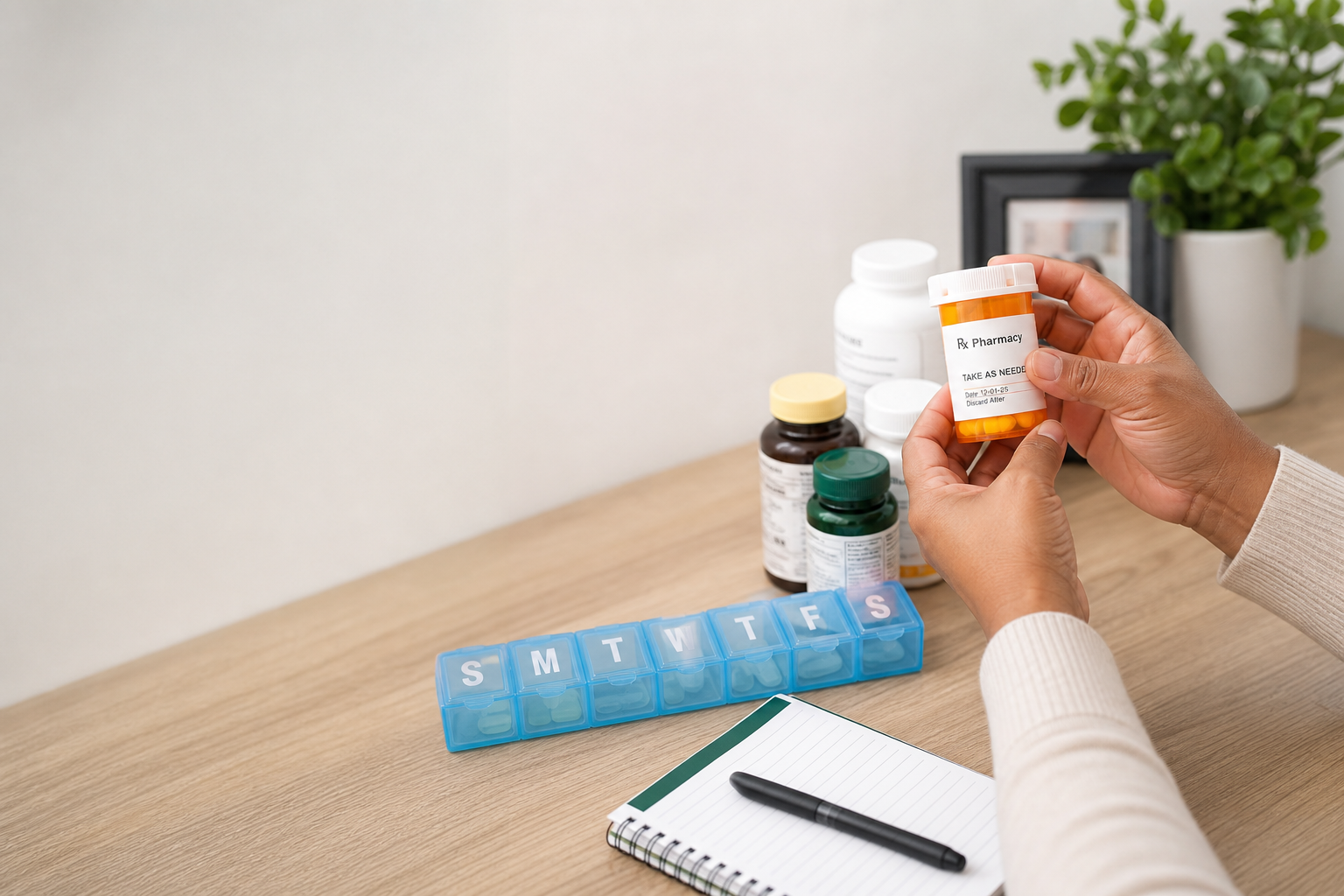
- Prescription bottles: Typically on the pharmacy label or the manufacturer’s original packaging.
- Over-the-counter medicines: Printed on the bottle, tube, box, or blister pack.
- Supplements/vitamins: Usually printed on the container or outer packaging.
If you’re ever unsure about how to read an expiration date, your pharmacist can help clarify what the label means and what steps you should take.
Why Do Medications Expire?
Medications are made up of active ingredients that can break down over time due to factors like temperature, humidity, light, and air exposure. Expiration dates are set so that, when stored correctly, the medication will:
- Maintain its strength (potency),
- Remain stable,
- Avoid potentially harmful changes,
- Deliver the intended therapeutic effect.
Medications that are past their expiration date may not work as well, and—though rare—some could even change in a way that leads to unwanted side effects. This is especially important for medications used to manage serious conditions or infections.
Expired Medication: Is It Always Unsafe?
It’s a common question: is it ever okay to use an expired medication? Generally, the answer is that it’s not recommended. Here’s why:
- Reduced Potency: Most expired medications simply lose effectiveness over time. For some drugs, lower potency could mean a less effective treatment.
- Safety Concerns: Some medications can chemically change as they age, possibly creating byproducts that could be harmful, though this is uncommon.
- Special Cases: Certain medications—including nitroglycerin (used for chest pain), insulin, some eye drops, and certain antibiotics—are especially sensitive to degradation. Using them past their expiration date may not provide the therapy you need and, in some cases, could carry more significant risks.
If you find expired medication at home, do not use it without first checking with your pharmacist or healthcare provider.
Understanding FDA Guidelines and Manufacturer Testing
The FDA requires drug manufacturers to determine how long a medication maintains its potency and safety under proper storage conditions. The expiration date found on your medications is based on these scientific studies. Important points to remember:
- Expiration dates found on prescription medications are based on the original packaging and storage instructions provided by the manufacturer.
- Once a medication is repackaged by the pharmacy (for example, from a large bottle to a smaller one for your prescription), the labeled expiration date is often set at one year from the dispensing date, or the manufacturer’s expiration date—whichever comes first.
- For over-the-counter medications, the printed expiration date reflects stability data under typical home storage conditions.
Does Storage Affect Expiration?
Yes! A medication stored under less-than-ideal conditions (such as a humid bathroom or a car glove compartment) may degrade more quickly, even before its expiration date. To help medications last as long as possible:
- Store at room temperature, unless refrigerated storage is required.
- Keep away from heat, moisture, and direct sunlight.
- Keep the cap tightly closed.
- Follow storage instructions on the label or packaging.
- Avoid leaving medicine in high-humidity areas, such as bathrooms.
Ask the SB Pharmacy team if you’re not sure about the best way to store a prescription or over-the-counter product.
How to Handle Expired Medications
Properly disposing of expired or unwanted medications is an important part of home safety and environmental responsibility. Here are safe steps to follow:
1. Do Not Use Expired Medication
It’s safest to avoid taking medications after their expiration date, especially for time-sensitive or critical treatments.
2. Store Medications Safely Until Disposal
Keep expired medicines out of reach of children, pets, and anyone for whom they are not prescribed.
3. Dispose of Medications Properly
- Take-back programs: Many communities (and pharmacies) participate in authorized medication take-back programs. Ask SB Pharmacy if we can provide guidance on current local disposal options.
- Preferred at-home disposal: If a take-back program isn’t available, most solid medications can be disposed of in the household trash by mixing them with an unpalatable material (like coffee grounds or cat litter), placing them in a sealed plastic bag, and throwing them away. Remove or scratch out all personal information on prescription labels before disposal.
- Special instructions: Some medications may have specific disposal instructions. Check with your pharmacist or refer to FDA guidance on medication disposal.
4. Do Not Flush Medications Unless Instructed
Flushing can contribute to environmental harm unless it is specifically recommended for certain high-risk medicines. Ask your pharmacist about the best option for your situation.
Special Considerations: Children, Pets, and Home Safety
- Always keep medications, including expired ones, in a secure place until you can dispose of them properly.
- Children and pets are particularly vulnerable to accidental ingestion. Lock medicine cabinets or use child-proof containers when possible.
- Never share medication, expired or not, with anyone else—even if symptoms appear similar.
Understanding Dates Beyond the Expiration Date
You may notice several different types of dates on medication packaging:
- Expiration Date: The last day the medication is guaranteed at full strength and stability.
- Beyond-Use Date (BUD): Often seen on pharmacy labels, this date is set by the pharmacy for prescriptions that have been repackaged. It is usually no more than one year from dispensing (or the manufacturer’s labeled expiration date, whichever comes first).
If there’s any confusion over what these dates mean or which one to follow, ask your pharmacist for clarification.
What Happens to Medications After They Expire?
Most medications gradually lose their effectiveness past the expiration date but generally do not become harmful. However, for certain medications, decreased strength can be an important risk, especially when treating infections, heart conditions, seizures, or other significant health concerns. Some liquid medications or compounded products may also degrade more quickly and could pose different risks.
How SB Pharmacy Can Help
SB Pharmacy is committed to being your local partner for safe, informed medication use in East Harlem. Our pharmacy team can:
- Help you read and understand medication expiration dates and beyond-use dates
- Explain proper storage for each of your prescriptions and over-the-counter products
- Provide guidance on proper disposal of expired or unused medications
- Answer questions about whether a specific medication should be replaced
- Offer practical tips for keeping your home medicine cabinet organized
We invite you to speak with our friendly pharmacy staff any time you have questions about your medications, including how to handle expiration dates. For more information, you can also visit our website at sbpharmacynyc.com.
Tips for Managing Medications at Home
Staying organized can help prevent confusion and unnecessary risks related to expired medications. Consider these simple tips:
- Check your medicine cabinet at least twice a year for expired or unneeded items.
- Separate and label medications to make it easier to track.
- Write the date of opening on liquid medications (especially eye drops and suspensions), as some are best discarded within weeks or months of opening.
- Use a medication list or organizer to keep track of refill schedules and expiration dates for yourself or family members.
- Ask your pharmacist if you’re unsure about storage, shelf life, or identification of medications.
Frequently Asked Questions (FAQ)
Are all expired medications dangerous?
Not all become unsafe, but many may lose effectiveness over time. For some treatments, lower potency may not be enough to manage your condition. When in doubt, check with a pharmacist before using an expired medication.
What if I accidentally take expired medication?
Most cases do not result in harm, but you should contact your pharmacist or healthcare provider to discuss your specific situation. Exceptions exist, especially with sensitive medications.
Can I donate expired medication?
No. Donation programs generally do not accept expired medications because safety cannot be guaranteed.
Why do some medications expire faster than others?
Stability depends on the drug’s chemical makeup, form (liquid, tablet, etc.), and storage conditions. Always follow pharmacist or manufacturer advice for each medication you use.
Conclusion
Understanding medication expiration dates can help you and your loved ones stay safe, make informed decisions, and get the most out of every prescription or wellness product. Remember, medication quality and effectiveness matter throughout your treatment. Whenever you have questions about proper storage, expiration dates, or safe disposal, the team at SB Pharmacy in East Harlem is here to help.
Prescription, medication, and everyday wellness needs can involve many individual factors, including medication instructions, refill timing, prescriber guidance, insurance requirements, and personal health considerations. SB Pharmacy is proud to provide personalized local service and helpful pharmacy support to the East Harlem community. To learn more or speak with our pharmacy team, visit 🌐 sbpharmacynyc.com or call 📞 (212) 534-2849.
This article is intended for general educational purposes and is not a substitute for individualized medical advice. Speak with a pharmacist, physician, or other qualified healthcare professional about your specific medications and health needs.