
How to Store Medications Safely During Hot Weather
Learn practical steps for safe medication storage during hot weather, and see how a local pharmacy like SB Pharmacy can support your health and wellness needs.
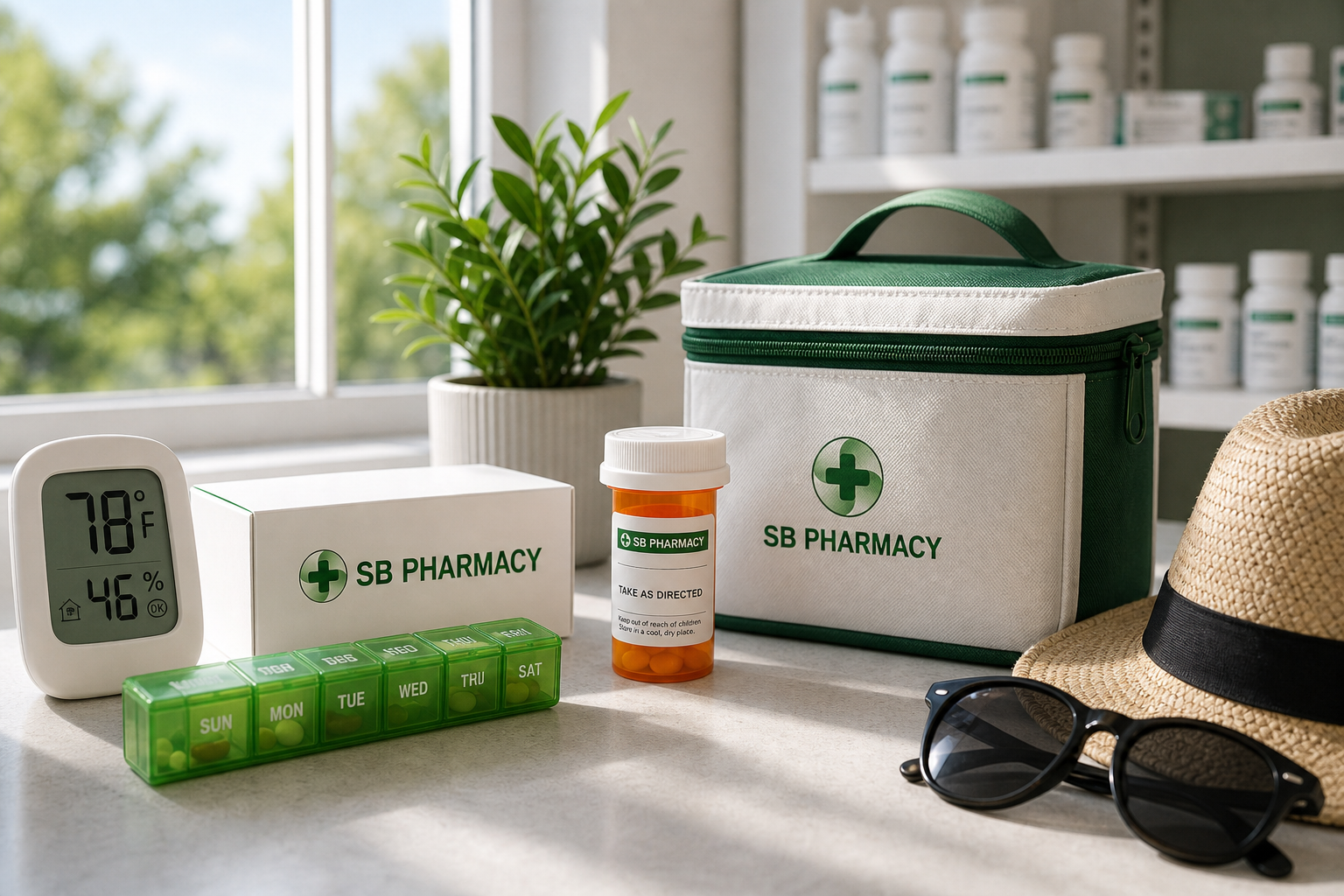
How to Store Medications Safely During Hot Weather
Hot weather in New York City brings unique challenges—including how we store prescription and over-the-counter medications at home. Whether you’re picking up a new prescription or organizing your daily routines, understanding safe medication storage is vital in the warmer months. Proper storage can help ensure medications remain effective and safe to use, supporting your health and peace of mind.
This guide from SB Pharmacy explains why temperature matters, practical steps for safe medication storage during heat waves, and when to seek advice from your pharmacist. It’s written especially for East Harlem and local NYC residents—and anyone who wants to keep medications safe during summer’s hottest days.
Why Hot Weather Can Affect Medication Safety
How Heat Impacts Medications
Most medications are formulated to work best within a specific temperature range. Excessive heat can alter:
- The chemical structure of certain medications
- The potency and effectiveness of the drug
- The physical appearance (color, consistency, odor)
In general, too much heat can make a medication less effective, and in rare cases, potentially unsafe. Not all medications are highly sensitive to temperature, but some—including insulin, certain antibiotics, and liquid medications—may require extra attention.
Common Medications Sensitive to Heat
- Insulin and other injected medications
- Certain liquid antibiotics and oral suspensions
- Inhalers and nasal sprays
- Eye drops
- Suppositories and gels
- Some over-the-counter products, vitamins, and supplements
Always check the manufacturer’s label or ask the pharmacist at SB Pharmacy if you are unsure how to store a particular medication.
General Rules for Storing Medications at Home
1. Store in a Cool, Dry Place
Most prescription medications and over-the-counter products should be kept at room temperature—usually between 68°F and 77°F (20-25°C)—unless the label says otherwise. Avoid storing medications in areas prone to heat and humidity, such as:
- Bathrooms (hot showers raise humidity)
- Kitchens (near ovens, stoves, or toasters)
- Unventilated closets or sunny windowsills
Tip: Bedrooms or hallway medicine cabinets, away from windows and direct sunlight, are often safer choices.
2. Keep Medications in Their Original Containers
The original packaging helps protect medications from moisture and contamination, and often includes light-blocking materials and important usage or expiration information.
3. Avoid Excessive Handling
Only open medication containers when needed, and always close lids tightly to limit air, humidity, and heat exposure.
Special Guidance for Hot Weather and Heat Waves
How to Safeguard Your Medications During a New York Summer
When outdoor temperatures rise above 80°F (27°C)—especially during a citywide heat wave—have a plan to prevent accidental overheating at home or on the go.
At Home:
- Check air conditioning or fans: If possible, keep storage areas air-conditioned or use fans to circulate air.
- Relocate as needed: If your usual storage spot gets hot (such as an upper-floor apartment with afternoon sun), temporarily relocate medications to a cooler interior space.
- Don’t keep in a parked car: Temperatures inside vehicles can rise well above outside temperatures, quickly overheating medications—it’s best to avoid any prolonged car storage during summer.
On the Go:
- Use insulated bags or cool packs: If you need to bring medications with you (especially liquids or injectables), use a small insulated bag or a cool pack. Make sure medications don’t touch ice packs directly unless the package specifically allows for it.
- Avoid direct sunlight: Keep medication containers out of the sun and away from heat sources during transport or outings.
- Don’t leave in hot purses or backpacks: Handbags, tote bags, or backpacks left in the sun can heat up rapidly.
Medications That Often Require Refrigeration
Some medications need to be stored in the refrigerator. Common examples include:
- Certain types of insulin
- Some liquid antibiotics
- Some hormone injections
- Eye drops or biologics requiring refrigeration
Best practices:
- Keep medications in their original packaging inside the refrigerator.
- Don’t place medications in the refrigerator door—temperature may fluctuate more there.
- If the power goes out, keep the refrigerator closed as much as possible. Have a plan for temperature-sensitive medications during outages; ask your pharmacist at SB Pharmacy for guidance if you’re concerned.
How to Tell if Heat Has Affected Your Medicine
Visual, Smell, and Texture Checks
Before using any medication stored during hot weather:
- Check for unusual changes in color, texture, or odor.
- Look for melted pills, clumping, liquid separation, or cloudiness in eye drops or suspensions.
- If packaging has warped or is extremely hot to the touch, consult your pharmacist.
Is It Still Safe to Use?
If you notice changes or are unsure, do not use the medication until you consult a pharmacist or healthcare provider. Medication quality may be affected even if changes aren’t visible.
What to Do if Your Medications Overheat
- Do not use: If medication has become very hot, such as from being left in a car or by a sunny window, ask your pharmacist before using.
- Ask for advice: Call SB Pharmacy or bring the medication in for a safety check when possible.
- Never try to chill overheated medicine: Placing overheated medicines in the fridge after exposure to high heat does not always make them safe or effective again.
Best Practices for Managing Prescriptions in the Summer
Planning Refills and Pickups
- Refill in advance before expected heat waves
- Speak with the pharmacy team if you’ll be traveling
- Arrange prescription delivery if appropriate and currently available
- Ask about proper storage and traveling tips for each medication
For Caregivers and Families
- Store children’s medications safely out of direct sunlight and reach.
- Keep a log of expiration dates and storage requirements in an easy-to-access spot.
- Remind children or older adults not to leave daily pill organizers in hot areas.
Common Myths and Mistakes
Myth 1: All Medications Are Fine in Any Temperature
Fact: While some medications are less sensitive than others, many can lose effectiveness if exposed to excessive heat.
Myth 2: Putting Overheated Medicine in the Refrigerator Fixes the Problem
Fact: Once a medication’s chemical structure is compromised, rapid cooling can’t always restore safety or potency.
Myth 3: Bathrooms Are a Good Place to Store Prescriptions
Fact: Due to frequent heat and humidity, bathrooms are rarely ideal for most medications, especially during hot months.
When to Contact Your Pharmacist or Provider
Contact a pharmacist at SB Pharmacy or your usual healthcare provider when:
- You have questions about heat safety for a specific medication
- You notice any changes in your medication’s appearance or smell
- You require refrigeration during a power outage
- You’re planning to travel with medications made for controlled temperatures
- Your medication storage environment becomes consistently hot or humid
SB Pharmacy’s team is available to answer general medication-storage questions, advise on traveling with temperature-sensitive medications, or help identify if a medication may need replacement due to heat exposure.
Visit sbpharmacynyc.com or call 📞 (212) 534-2849 for local support.
Frequently Asked Questions About Hot Weather Medication Storage
Can I store medication in a windowless closet during a heat wave?
Usually, closets remain cooler than sunlit rooms. Just make sure the area is dry and not against an external hot wall.
What about liquid medication or insulin when traveling?
Use a specialized insulated case or travel cooler designed for medications. Avoid direct contact between the medication and ice packs.
My medication label says to keep below 77°F, but my home is warmer—what should I do?
Try to find the coolest, driest area inside. For very temperature-sensitive prescriptions, discuss options with the SB Pharmacy team.
How can I check if a medication is still safe after heat exposure?
If in doubt, call or visit your pharmacist. When major changes in look, texture, or smell occur, do not use the medication until a pharmacist has given guidance.
Supporting Our East Harlem Neighbors
SB Pharmacy is dedicated to providing accessible, helpful medication support for East Harlem and the wider New York City community—even in the heat of summer. Our local pharmacists are familiar with seasonal challenges and can help you plan for safe medication storage, refills, and other prescription needs. Whether you have a question about a specific medication or need tips on traveling, we invite you to reach out.
Conclusion: Protecting Medications All Summer Long
Hot weather brings extra responsibility for anyone managing prescription or over-the-counter medications. Storing medicines in a cool, dry place, away from direct heat and humidity, helps maintain their safety and effectiveness. If you’re unsure how to store your medications or want tips about safe transport or refrigeration, the pharmacy team at SB Pharmacy is always ready to help.
Medication, prescription, and wellness needs can involve many individual factors—including prescription instructions, refill timing, summer heat, and personal health considerations. SB Pharmacy is proud to serve East Harlem as a trusted, local resource for your pharmacy support needs.
To learn more, speak with an SB Pharmacy team member, or get answers to your medication storage questions, visit sbpharmacynyc.com or call 📞 (212) 534-2849. Stay cool and remember, we’re here to help you put your health first—no matter the season.
This article is intended for general educational purposes and is not a substitute for individualized medical advice. Speak with a pharmacist, physician, or other qualified healthcare professional about your specific medications and health needs.