
Fiber Supplements Explained: Types, Benefits, and Precautions
Learn about the different types of fiber supplements, their benefits, and what precautions to consider. SB Pharmacy in East Harlem offers guidance on choosing and using fiber.
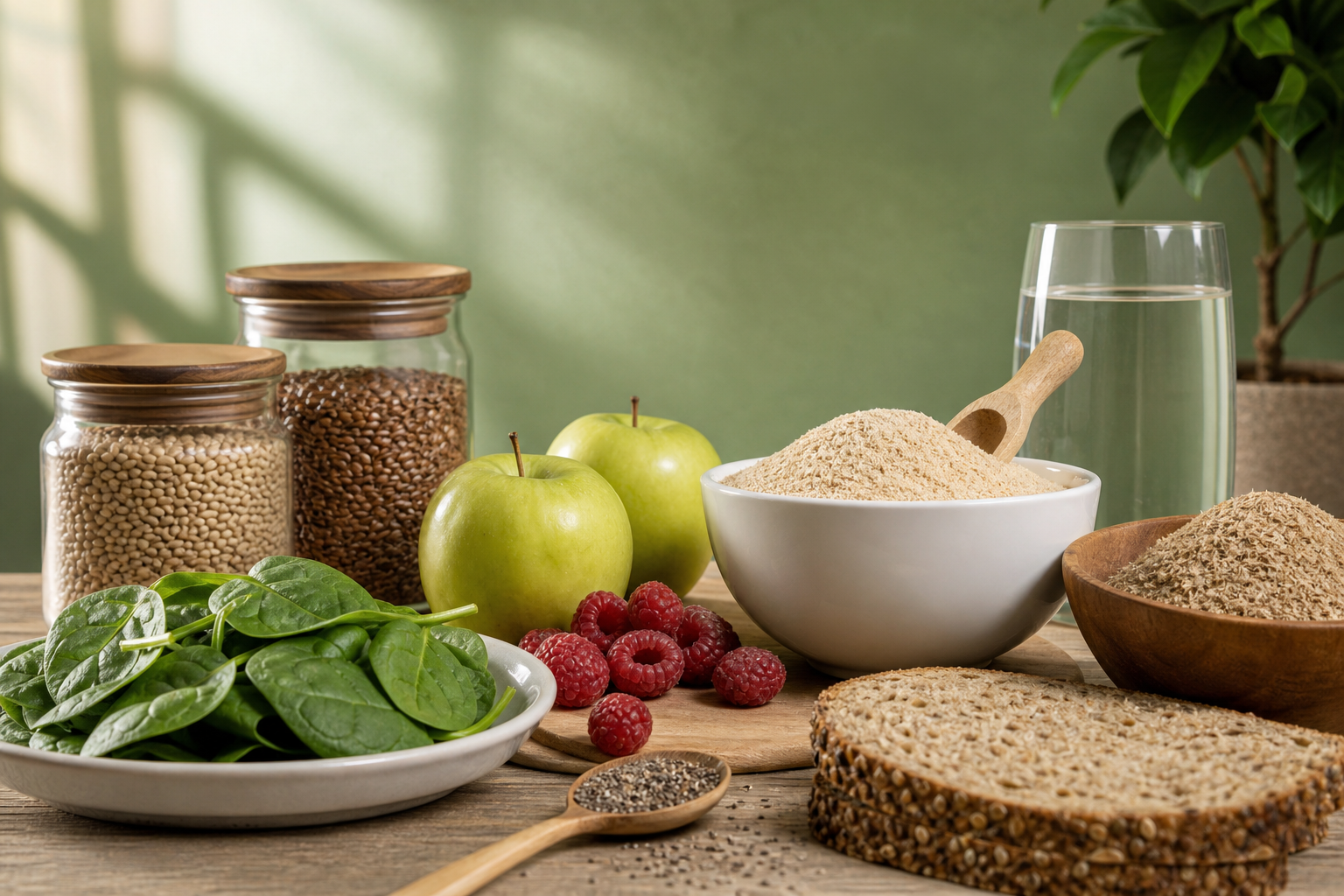
Fiber Supplements Explained: Types, Benefits, and Precautions
Fiber is a key component of a healthy diet, supporting digestive health and offering a range of wellness benefits. While many people try to get enough fiber through whole foods, it isn't always easy to meet daily requirements—particularly with busy schedules and limited food choices.
Fiber supplements can play a helpful role in supporting your dietary needs when used thoughtfully and under professional guidance. This article explains the basics of fiber supplements, their types, potential benefits, and important precautions for anyone considering adding them to their daily routine. At SB Pharmacy, we’re committed to helping our East Harlem community make informed choices about wellness, including the safe use of fiber supplements.
What Is Dietary Fiber?
Dietary fiber is a kind of carbohydrate found mainly in plant-based foods such as fruits, vegetables, grains, legumes, nuts, and seeds. Unlike other carbohydrates, fiber passes through the digestive system largely undigested.
There are two main types of dietary fiber:
- Soluble fiber: Dissolves in water to form a gel-like substance. It’s found in oats, beans, apples, and citrus fruits.
- Insoluble fiber: Does not dissolve in water; instead, it adds bulk to stool and helps maintain bowel regularity. Sources include whole wheat, bran, nuts, and many vegetables.
Fiber supplements may contain one or both types of fiber and are typically available in powder, tablet, capsule, or chewable forms.
Why Do People Consider Fiber Supplements?
While the best way to increase fiber intake is through a balanced diet rich in plant-based foods, there are situations where a supplement may be considered. Some common reasons include:
- Difficulty consuming enough fiber-rich foods
- Busy or irregular eating habits
- Digestive wellness needs
- Doctor or dietitian recommendations
- Specific dietary restrictions
Before starting any supplement, it’s important to understand which type of fiber might best suit your needs, to avoid unnecessary side effects or complications.
Types of Fiber Supplements
Fiber supplements come from a variety of natural and synthetic sources, each with unique properties. Understanding the types can help you choose what may be appropriate under the advice of a healthcare provider.
1. Psyllium Husk
- Source: Plantago ovata seeds
- Type: Primarily soluble fiber (with some insoluble components)
- Uses: May help support regularity, heart health, and healthy cholesterol levels
2. Methylcellulose
- Source: Chemically modified plant fiber
- Type: Soluble fiber
- Features: Non-fermentable (less likely to cause gas)
- Uses: May help with constipation and bowel regularity
3. Inulin and Oligofructose
- Source: Chicory root, some fruits and vegetables
- Type: Soluble fiber (prebiotic properties)
- Uses: May support gut health by nourishing beneficial bacteria
4. Wheat Dextrin
- Source: Wheat
- Type: Soluble fiber
- Features: Dissolves well in many liquids; less bulky
5. Calcium Polycarbophil
- Source: Synthetic
- Type: Insoluble fiber
- Uses: May help with occasional constipation
6. Guar Gum and Acacia Fiber
- Source: Legume seeds (guar), acacia tree sap
- Type: Soluble fiber
- Uses: Sometimes added to foods or supplements for gentle digestive support
Each type of fiber supplement has different effects in the body, so working with your healthcare provider or pharmacist to find the right product is recommended.
Potential Benefits of Fiber Supplements
Supplementing with fiber, when appropriate, may provide several potential benefits:
- Digestive Regularity: Fiber can help maintain normal bowel movements and support gut function.
- Support for Heart Health: Certain soluble fibers may help with healthy cholesterol levels.
- Blood Sugar Management: Soluble fiber can slow sugar absorption, offering support for steady blood glucose when used as recommended.
- Gut Microbiome Support: Prebiotic fibers such as inulin can nourish beneficial gut bacteria.
- Satiety and Weight Management: Fiber adds bulk to meals, helping to promote feelings of fullness.
- Gentle Bowel Support: Some people turn to fiber to help with occasional constipation or irregularity.
These benefits depend on the individual, the type of fiber selected, diet, fluid intake, and health status. For personalized advice, talk to a trusted pharmacy like SB Pharmacy or your healthcare provider.
Possible Side Effects and Precautions
While generally considered safe for most people when used as directed, fiber supplements may cause some side effects or interactions. Always check with your pharmacist or healthcare provider, especially if you:
- Take prescription medications
- Have a medical condition affecting digestion
- Experience chronic intestinal symptoms
- Are pregnant or breastfeeding
- Are considering fiber for a child
Possible issues to be aware of include:
- Gas and Bloating: A common side effect of increasing fiber too quickly.
- Abdominal Cramps: May occur if the dosage is too much at once.
- Interference with Medications: Certain fibers can affect the absorption of medications if taken at the same time.
- Choking Risk: Supplements can be a choking hazard if not taken with enough water.
- Impact on Blood Sugar: Some fibers may have mild effects on blood sugar levels.
- Allergic Reactions: Allergies to some plant sources, though rare, are possible.
Tips for Safe Fiber Supplement Use
- Start Slowly: Gradually increase your fiber intake to allow the digestive system to adjust.
- Drink Plenty of Fluids: Adequate water is essential for fiber to work properly and to prevent constipation.
- Follow Instructions: Use according to the label and seek guidance if you’re unsure.
- Separate Doses: If you take medications, separate fiber supplement doses from your medicine by at least 2 hours, unless instructed otherwise.
- Monitor Reactions: Watch for any new or worsening symptoms and report them to your healthcare provider.
Who Should Be Cautious With Fiber Supplements?
Certain individuals may require closer supervision or a different approach when considering fiber supplements:
- Those with a history of intestinal strictures or blockages
- Individuals with swallowing difficulties
- People with certain chronic digestive conditions (such as inflammatory bowel diseases)
- Anyone taking medication that may interact with fiber
Always consult a healthcare professional in these situations to ensure safety.
Whole Foods vs. Fiber Supplements
While supplements can be a useful tool, most health professionals recommend aiming for fiber from whole foods whenever possible. Whole foods provide additional nutrients, antioxidants, and water that support overall health. Examples of high-fiber foods include:
- Whole grains (brown rice, oats, whole wheat bread)
- Beans and legumes
- Fruits such as berries, apples, pears
- Vegetables like carrots, broccoli, and leafy greens
- Nuts and seeds
Fiber supplements may help fill in dietary gaps, but they do not replace the full benefits of a food-based diet.
How Much Fiber Do Adults Need?
Fiber needs can vary based on age, sex, and health status, but general guidelines from health authorities suggest:
- Men aged 50 or younger: About 38 grams per day
- Women aged 50 or younger: About 25 grams per day
- Men over 50: About 30 grams per day
- Women over 50: About 21 grams per day
These recommendations include fiber from all sources, not just supplements. A pharmacist at SB Pharmacy can assist you in understanding your personal needs and how supplements might fit your wellness plan.
When to Consider a Fiber Supplement
You may want to discuss fiber supplements with a pharmacist or healthcare provider if you:
- Find it difficult to get enough fiber from your diet
- Have occasional constipation or irregularity
- Did not respond to food-based fiber changes alone
- Have specific recommendations from your doctor, such as supporting cholesterol or blood sugar management
- Have unique dietary restrictions
At SB Pharmacy, our experienced pharmacy staff welcomes your questions about fiber supplements, dosing, and how these products may support your individual health goals.
How to Choose a Fiber Supplement
There is no single best fiber supplement for every person. Some factors to consider include:
- Type of fiber (soluble, insoluble, prebiotic)
- Form (powder, capsule, chewable)
- Ease of mixing and taste preferences
- Possible allergens (wheat, soy, gluten, etc.)
- Interactions with medications
Your pharmacist can help you compare available products, consider practical preferences, and check for possible conflicts with other medications or conditions.
Tips for Building Healthy Fiber Habits
- Start with food first: Try to increase fiber-rich foods before turning to supplements.
- Read labels: Understand how much fiber is in foods and supplements by checking nutrition facts.
- Go slow: Increase fiber gradually over a few weeks.
- Stay hydrated: Drink at least 6-8 cups of water a day, unless differently advised.
- Monitor changes: Keep track of any digestive changes and communicate with your healthcare provider.
Discussing Fiber Needs With Your Pharmacist
Pharmacists are accessible healthcare professionals who can help answer general questions about fiber supplements, safe usage, side effects, and potential interactions. At SB Pharmacy, we believe education and open conversation are key to supporting your well-being.
Whether you’re considering a fiber supplement for the first time or looking to better understand your options, our local pharmacy team in East Harlem can provide clear explanations and helpful support.
Visit sbpharmacynyc.com to learn more about our pharmacy services or to contact us directly.
Conclusion: Making Informed Fiber Choices
Fiber is a vital part of any healthy diet, contributing to digestion, heart health, and overall wellness. While many people can meet their fiber needs through a balanced diet, fiber supplements may play a role for some, particularly with guidance from a healthcare provider.
Remember that individual needs, existing health conditions, and medication regimens can affect your best options. The pharmacy team at SB Pharmacy is always available to answer questions, review supplement options, and help you make choices that fit your lifestyle in the Harlem community.
This article is intended for general educational purposes and is not a substitute for individualized medical advice. Speak with a pharmacist, physician, or other qualified healthcare professional about your specific medications and health needs.
SB Pharmacy is proud to support our East Harlem neighbors with a professional, welcoming environment for prescription, supplement, and wellness needs. To speak with our team or explore our services, visit 🌐 sbpharmacynyc.com or call 📞 (212) 534-2849.