Essential First-Aid Items to Keep at Home
Discover the must-have first-aid supplies to keep your home prepared for minor injuries and emergencies. SB Pharmacy highlights key items every household should have on hand.
Essential First-Aid Items to Keep at Home
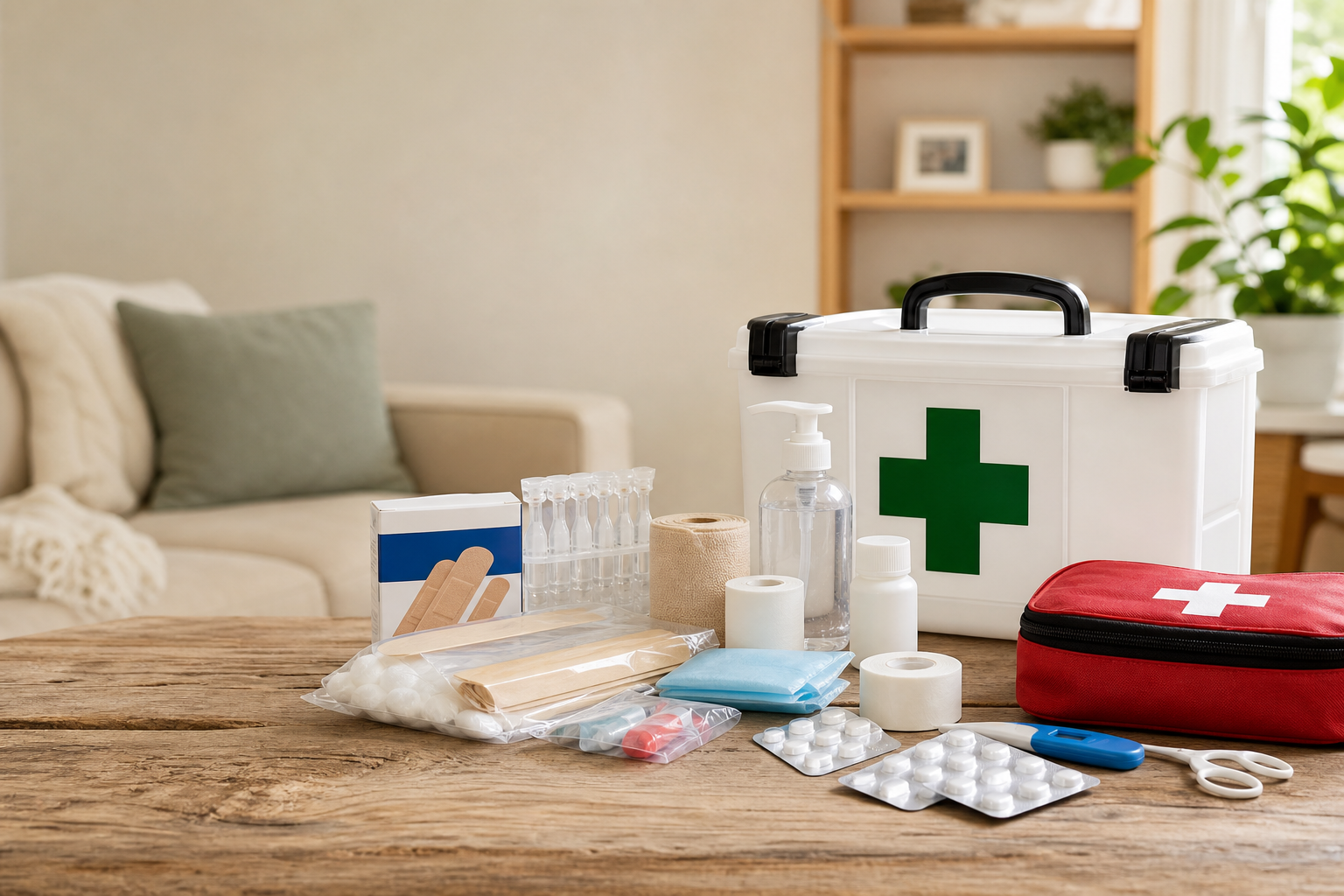
A well-stocked first-aid kit is an essential part of any household, allowing you to address minor injuries and unexpected medical needs quickly and confidently. Whether you live alone, with family, or care for older adults or children, being prepared offers peace of mind—and a little planning can make a big difference during sudden emergencies. In this guide, SB Pharmacy shares the must-have first-aid items for East Harlem residents and New York City families, plus practical tips for organizing and maintaining your home kit.
Why Every Home Needs an Up-to-Date First-Aid Kit
From scraped knees and mild burns to unexpected allergic reactions, minor emergencies can happen at any time. Having essential first-aid items within reach can help you:
- Respond calmly to everyday mishaps
- Clean and cover wounds promptly
- Reduce the risk of infection
- Relieve mild pain or discomfort
- Avoid unnecessary trips to the emergency room for minor issues
- Support safer care for all members of your household
An organized kit makes it easier to find supplies quickly, especially when time is critical. SB Pharmacy recommends reviewing your kit regularly to keep it updated and suitable for your current needs.
Basic First-Aid Supplies for Every Household
While every home is unique, there are a few fundamental items that form the backbone of a quality first-aid kit. Here’s a practical list recommended for most households:
1. Adhesive Bandages (Assorted Sizes)
Bandages—sometimes referred to by brand names—are essential for covering small cuts, scrapes, and blisters. Keeping a variety of sizes ensures you have the right fit for minor wounds.
2. Sterile Gauze Pads and Roll Gauze
Gauze pads help absorb blood and protect larger wounds, while gauze rolls can secure dressings and wrap injuries comfortably.
3. Adhesive Tape
Medical tape keeps dressings and gauze quietly in place. Choose a hypoallergenic option if household members have skin sensitivities.
4. Antiseptic Wipes and Solutions
Cleaning a wound promptly may help reduce the risk of infection. Antiseptic wipes or solutions are convenient for disinfecting cuts and scrapes before applying bandages.
5. Antibiotic Ointment
A topical antibiotic ointment may support proper wound healing and help ward off infection in minor cuts and abrasions. Use as directed and check expiration dates.
6. Tweezers
Fine-tipped tweezers are helpful for removing small splinters, glass, or debris from the skin. Choose a pair with a non-slip grip for precise handling.
7. Scissors
Small, blunt-edged medical scissors are useful for cutting gauze, tape, clothing, and bandages safely.
8. Disposable Gloves
Wearing sterile gloves can help protect both you and the person you are assisting, especially when tending to open wounds or exposure to bodily fluids.
9. Instant Cold Packs
Cold packs are convenient for reducing swelling and soothing pain from minor bumps, sprains, or insect stings. They do not require refrigeration and can be activated by squeezing or shaking.
10. Cotton Balls and Swabs
These may be used to apply ointments, clean small wounds, or gently remove debris.
11. Thermometer
A digital thermometer helps monitor body temperature—an important tool for assessing fevers.
12. Alcohol Pads
Useful for disinfecting skin (before an injection, for example), alcohol pads also clean instruments like tweezers or scissors in a pinch.
13. Eye Wash or Saline Solution
A sterile eye wash can rinse out irritants or debris from the eyes. Never use tap water directly in the eyes unless specifically advised by a healthcare professional.
14. Emergency Blanket
Mylar or thermal blankets are compact and can help prevent heat loss during shock or unexpected cold exposure.
15. Face Masks
Disposable masks provide a barrier when caring for a person with respiratory symptoms or in emergency situations involving dust or debris.
Over-the-Counter Medications for Your First-Aid Kit
SB Pharmacy carries a wide selection of over-the-counter medications that can round out your home first-aid kit. While specific medicine needs vary, commonly recommended items include:
- Acetaminophen or Ibuprofen: For relieving mild pain or lowering fever (always follow dosing instructions and age guidelines).
- Antihistamines: For mild allergic reactions, sneezing, or itchy symptoms (such as diphenhydramine or loratadine; see package for details).
- Anti-diarrheal medication: In case of unexpected digestive upset.
- Oral Rehydration Tablets or Solutions: Useful during heat illness, dehydration, or vomiting episodes.
- Cough drops or lozenges: To soothe sore throats or coughs.
Important: Only keep medications that are appropriate for your household, and store them safely out of reach of children and pets. Speak with your pharmacist about medication questions, especially if anyone in your home takes prescriptions or has allergies.
Items to Support Specific Needs
In addition to the basics, consider extra items based on your family or living situation:
For Homes with Young Children
- Pediatric pain relievers (with a dosing guide)
- Child-sized bandages
- Digital thermometer with fast, non-invasive readings
- Infant nasal aspirator
- Safe medication-dosing device (not household spoons)
- Childproofing supplies (gates, outlet covers)
For Older Adults
- Pill organizer for daily medications
- Large-print medication guides
- Mobility aids (cane tip covers, non-slip pads)
- Instant glucose tablets (for those managing diabetes, if appropriate)
For Allergies or Chronic Conditions
- Epinephrine auto-injector (if prescribed)
- Glucose monitoring supplies (if needed)
- Asthma inhaler (with current prescription if needed)
Every household is unique. Consider your specific needs, and speak with the SB Pharmacy team if you have questions about items to support family health.
Proper Storage and Maintenance of First-Aid Supplies
Taking care of your first-aid kit ensures every item is usable when needed. Here’s how to maintain your supplies:
- Choose a safe, dry, easily accessible location. Avoid bathrooms, where humidity can damage contents. A closet shelf, pantry, or a labeled bin in a hallway are practical choices.
- Clearly label your kit, and let others know where to find it.
- Regularly check expiration dates. Discard and replace outdated medications, ointments, and sterile items.
- Restock after use. Replace any items you use as soon as possible to keep your kit fully stocked.
- Consider a smaller travel kit. For on-the-go safety, assemble a compact version for your car, bag, or workplace.
Creating a Custom First-Aid Kit with SB Pharmacy
Building a first-aid kit shouldn’t feel overwhelming. At SB Pharmacy, our experienced pharmacy team can help you select essential items suited for your household and answer questions about medications, wound care, and general home safety. Whether you need adhesive bandages, digital thermometers, wound care supplies, or over-the-counter pain relievers, our East Harlem location carries a wide selection and welcomes your questions.
Learn more about our pharmacy, prescription, and wellness offerings for our Harlem community at sbpharmacynyc.com.
Frequently Asked Questions About Home First-Aid Kits
How often should I update my first-aid kit?
At least twice a year, check your supplies for expired medications, dried-out ointments, and depleted items. Review after each use and during seasonal changes for relevance.
What else should I add for emergencies?
Consider a flashlight with extra batteries, a notepad and pen, and a list of emergency contacts. Store separate emergency supplies like bottled water and nonperishable food for severe situations.
What’s the best way to dispose of expired first-aid products and medications?
SB Pharmacy can provide guidance on safe medication disposal options. Never flush medications unless directed. Bring expired supplies to a pharmacy take-back program when available.
Can I keep the kit in the bathroom for easy access?
Bathrooms are often humid, leading to damage and rapid expiration of contents. Choose a cool, dry place instead.
Are pre-made kits better than making your own?
Pre-made kits can be a good start, but customizing your supplies is essential for meeting your household’s unique needs. Our team can help you review and add missing essentials.
When to Contact a Pharmacist or Healthcare Professional
While a well-stocked first-aid kit can help manage many minor incidents at home, certain situations always require professional attention. Seek prompt medical care if:
- The wound is deep, bleeding heavily, or won’t stop bleeding
- You suspect a broken bone
- There’s a head injury with confusion or loss of consciousness
- An allergic reaction causes difficulty breathing
- A burn is large or involves the face, hands, or genitals
- A fever persists or is unusually high
- You’re concerned about medication use, dosing, or interactions
For non-urgent questions about wound care, medications, or building your home kit, the SB Pharmacy team is a helpful, local resource for East Harlem.
Conclusion: Be Prepared with Essential First-Aid Items at Home
Having the right first-aid items at home helps you care for minor injuries and manage everyday health needs with confidence. By periodically reviewing and updating your supplies, you can support the well-being of everyone in your household.
Prescription, medication, and everyday wellness needs can involve many individual factors, including product selection, proper storage, and personal health considerations. SB Pharmacy is proud to provide personalized local service, advice, and pharmacy support to the East Harlem community. To learn more or speak with our pharmacy team about your first-aid needs or other health-related questions, visit sbpharmacynyc.com or call 📞 (212) 534-2849.
This article is intended for general educational purposes and is not a substitute for individualized medical advice. Speak with a pharmacist, physician, or other qualified healthcare professional about your specific medications and health needs.