
Dry Eyes During NYC Winters: Causes and Relief Options
Explore why dry eyes are common during NYC winters and discover practical relief options. Learn how SB Pharmacy supports the Harlem community with products and advice.
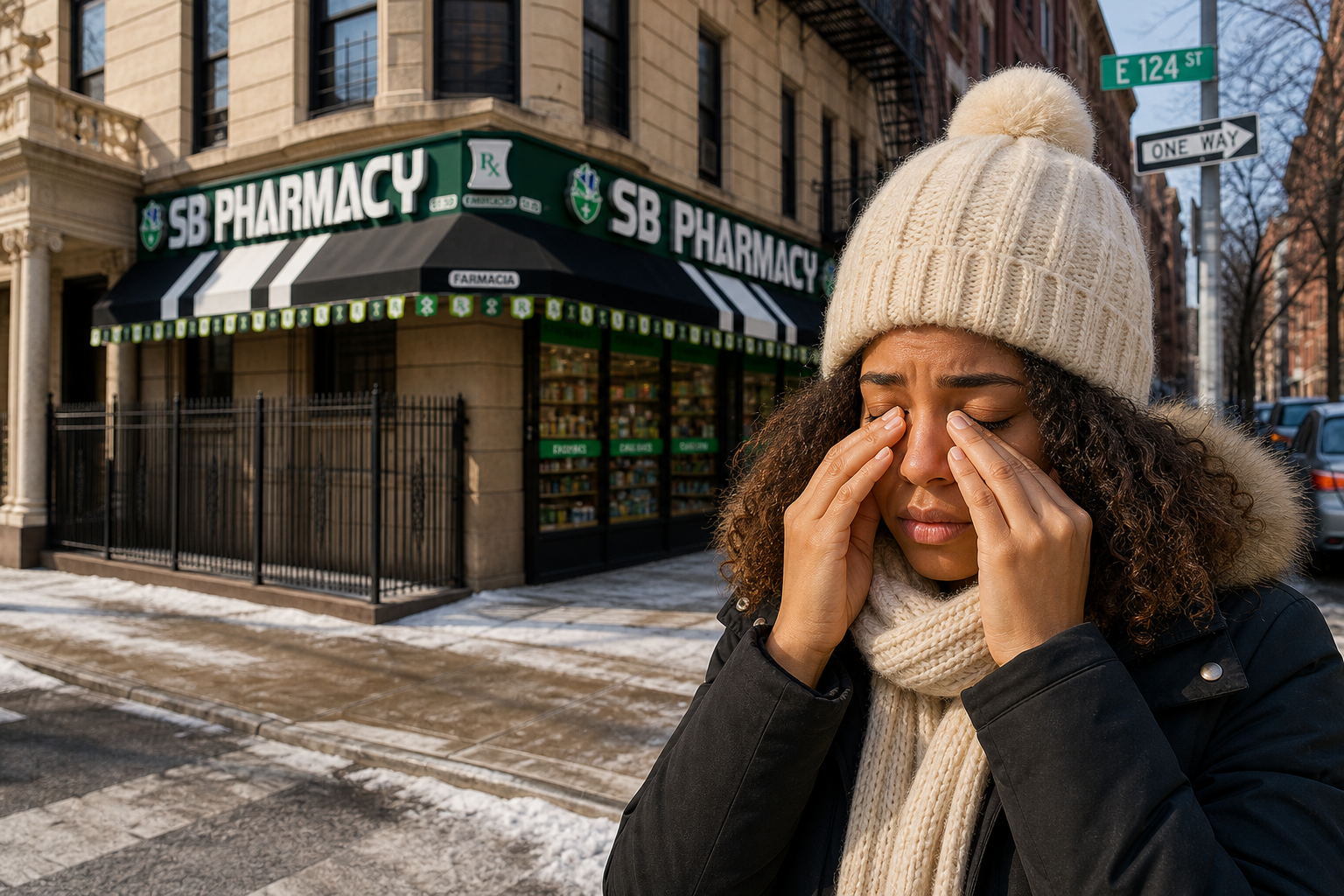
Dry Eyes During NYC Winters: Causes and Relief Options
Dry, irritated eyes are a common struggle for many New Yorkers during winter’s coldest months. If you find your eyes stinging, itching, or watering more often as temperatures drop and the heat kicks on, you are not alone. Dry eyes can affect comfort, vision, and daily activities. Understanding what causes dry eyes in NYC winters—and how to find real relief—can make a noticeable difference in your wellbeing. At SB Pharmacy, our knowledgeable team often helps community members find practical solutions and explains responsible over-the-counter options.
Why Are Dry Eyes So Common in NYC Winters?
The Impact of Cold, Dry Air
New York City winters bring a dramatic shift in both outdoor and indoor environments. The air outside becomes cold and dry, while heated indoor spaces lower humidity even further. This combination can quickly draw moisture from exposed surfaces, including your eyes.
How HVAC and Radiators Affect Eye Moisture
Most NYC apartment buildings rely on central heating systems or radiators during the winter. While these keep living spaces warm, they also reduce indoor humidity. Dry indoor air can accelerate evaporation of the thin tear film that protects and nourishes your eyes, leading to irritation.
Other Local Factors
- Wind and Outdoor Exposure: Strong city winds can further strip moisture from the eyes, especially on days where you have to walk between subway stations or errands.
- Pollution and Air Quality: NYC’s winter air may contain increased particulate matter from heating systems and vehicle exhaust, which can further irritate already sensitive eyes.
What Are the Symptoms of Dry Eyes?
Dry eyes can present in different ways. The most common symptoms include:
- Burning, stinging, or scratchy sensation
- Redness
- Sensitivity to light
- Blurry vision, especially after long periods using a computer, reading, or being outside
- Watery eyes (this can be a reflex as your eyes try to compensate for dryness)
- A feeling of having something "in your eye"
It's normal to experience these symptoms occasionally in winter, but prolonged or worsening symptoms should always be discussed with a healthcare professional.
What Causes Dry Eyes?
Environmental Factors
- Cold outdoor air and dry indoor heat
- Wind exposure
- Low humidity, especially indoors
- Airborne pollutants common in cities
Lifestyle and Seasonal Habits
- Spending more time near heaters or radiators
- Long hours using digital screens, which can reduce blinking
- Wearing contact lenses for extended periods
- Not drinking enough water
Health and Medication Factors
Certain health conditions or medications can contribute to dry eyes. These include some antihistamines, decongestants, blood pressure medications, and conditions like thyroid disorders or autoimmune diseases. Always discuss persistent dry eye issues with your healthcare provider or pharmacist at SB Pharmacy to ensure safe guidance.
Winter Dry Eye Triggers Unique to New York City
Living in NYC comes with special considerations. You might notice:
- Frequent shifts between outdoor cold and overheated subway cars
- Heat radiators that dry out indoor air quickly
- Wind tunnels between tall buildings amplifying exposure
- Long commutes increasing time in dry conditions
- Travel between home, work, and school causing environmental swings
Understanding these triggers can help you plan for better comfort and eye health throughout the season.
Everyday Strategies to Relieve Dry Eyes in Winter
Dry eyes can be alleviated by making small but intentional changes to your environment and habits, especially during harsh weather.
Increase Indoor Humidity
- Use a humidifier in your bedroom or main living space, especially if you rely on radiators or forced-air heat.
- Grouping houseplants together or placing bowls of water on top of radiators may offer some additional humidity.
Protect Your Eyes Outdoors
- Wear sunglasses or wraparound glasses to shield your eyes from cold wind.
- Try to avoid direct exposure to gusty city wind whenever possible.
Take Screen Breaks
- Follow the 20-20-20 rule: every 20 minutes, look 20 feet away for at least 20 seconds.
- Blink regularly while using computers or mobile devices.
Avoid Direct Heat
- Don’t sit directly in front of heaters or vents that blow warm air directly towards your face.
Stay Hydrated
- Drink water throughout the day, as dehydration can worsen dry eye symptoms.
Over-the-Counter Relief Options at SB Pharmacy
SB Pharmacy offers a range of over-the-counter options that may help soothe or relieve mild dry eye symptoms. The most common options include:
- Artificial tears or lubricating eye drops: Available in a variety of formulas. These can help moisten the surface of the eye and reduce discomfort from dryness.
- Eye ointments: Thicker than drops, these are often used overnight for longer-lasting relief.
- Preservative-free drops: For people who use drops frequently, preservative-free options may be less irritating over time.
- Warm compress eye masks: Regular use may help with certain types of dry eye, especially if the eyelid oil glands are involved.
Not every product is suitable for every person. Be sure to speak with the pharmacy team at SB Pharmacy about which options may be best based on your individual needs and any other medications you are taking.
When to Seek Professional Guidance
Dry eyes are very common in winter, but persistent or severe symptoms should always be evaluated by a healthcare professional. Contact your physician or an eye care specialist if:
- Your eyes remain red or painful
- You notice changes in your vision
- Over-the-counter drops offer little relief
- You have a history of eye surgeries or medical conditions
A pharmacist at SB Pharmacy can help guide you to appropriate products, but ongoing or severe symptoms deserve medical attention to rule out more serious conditions.
Tips for Contact Lens Wearers
Contact lens use can increase discomfort during dry NYC winters. Here are some extra precautions to help keep your eyes more comfortable:
- Limit contact lens wear if your eyes feel dry; switch to glasses when needed
- Use rewetting drops compatible with your lenses
- Follow all cleaning and replacement instructions
- Replace lenses as recommended, and never overwear
SB Pharmacy can offer general advice and product recommendations for lens care upon request.
Home Remedies and Safe Practices
For many mild cases, practical home remedies may offer some comfort:
- Apply a clean, warm washcloth over closed eyes for several minutes to relieve discomfort
- Practice gentle eyelid hygiene with guidance from your healthcare provider
- Avoid rubbing your eyes, which can further irritate dry tissue
Always be cautious with unproven remedies or internet “hacks.” Stick with pharmacist- or physician-recommended products for safe and effective relief.
Supporting Eye Health Throughout the Season
Taking care of your eyes is an important aspect of overall wellness during the NYC winter months. SB Pharmacy encourages community members to:
- Plan ahead for the winter season by stocking up on eye care essentials
- Take time to review all medications with a pharmacist, including possible side effects related to eye dryness
- Ask questions if you’re uncertain about any eye care product, supplement, or over-the-counter remedy
For specific questions about product options or to request recommendations, visit SB Pharmacy on East 124th Street or contact us directly for personalized guidance.
Frequently Asked Questions About Winter Dry Eyes
Can dry eyes be prevented in NYC winters?
While it may be difficult to avoid dry eyes completely during winter, practical steps like using artificial tears, humidifiers, and wearing protective eyewear outside can help reduce severity and frequency.
Are certain people more prone to dry eyes in winter?
Yes. People who spend a lot of time in dry, heated spaces, those using screens frequently, or contact lens wearers may be at higher risk. Some medical conditions can also increase susceptibility.
Are over-the-counter drops safe to use daily?
Many artificial tears are designed for regular daily use, but it’s important to choose a product that suits your needs and follow package instructions. Preservative-free options may be preferable for frequent use. Ask the pharmacy team at SB Pharmacy for product guidance and safety information.
Should I see a doctor for dry eyes?
If symptoms persist, become severe, or affect your vision, consult a qualified healthcare professional. Pharmacists can recommend basic self-care steps, but medical evaluation is important for ongoing or worsening symptoms.
Conclusion: Finding Winter Relief with Your Local Pharmacy
Winter in NYC brings unique challenges for eye comfort—but practical steps and smart product choices can make each day easier. Dry eyes are a common concern, but relief is possible with supportive habits, a few household adjustments, and guidance from trusted community resources.
SB Pharmacy is committed to helping East Harlem and Harlem residents care for their eyes and overall health throughout the year. Our pharmacy team can help with general product recommendations, medication reviews, and seasonal tips for maintaining comfort.
For personalized support or to learn more about our services and available eye care products, visit SB Pharmacy at 27-29 E 124th St, New York, NY 10035, or explore helpful information on our website: sbpharmacynyc.com.
📞 (212) 534-2849
This article is intended for general educational purposes and is not a substitute for individualized medical advice. Speak with a pharmacist, physician, or other qualified healthcare professional about your specific medications and health needs.